Last updated: June 12, 2026, Reviewed by Dr. Brandon Elrod, DO, FAPWCA
Heal at Home Without the Red Tape Headache
Many people with slow-healing wounds ask a simple question: can I really get mobile wound care in Dallas at home, or will insurance say no? The rules can feel confusing when you are already tired, in pain, and trying to stay out of the hospital.
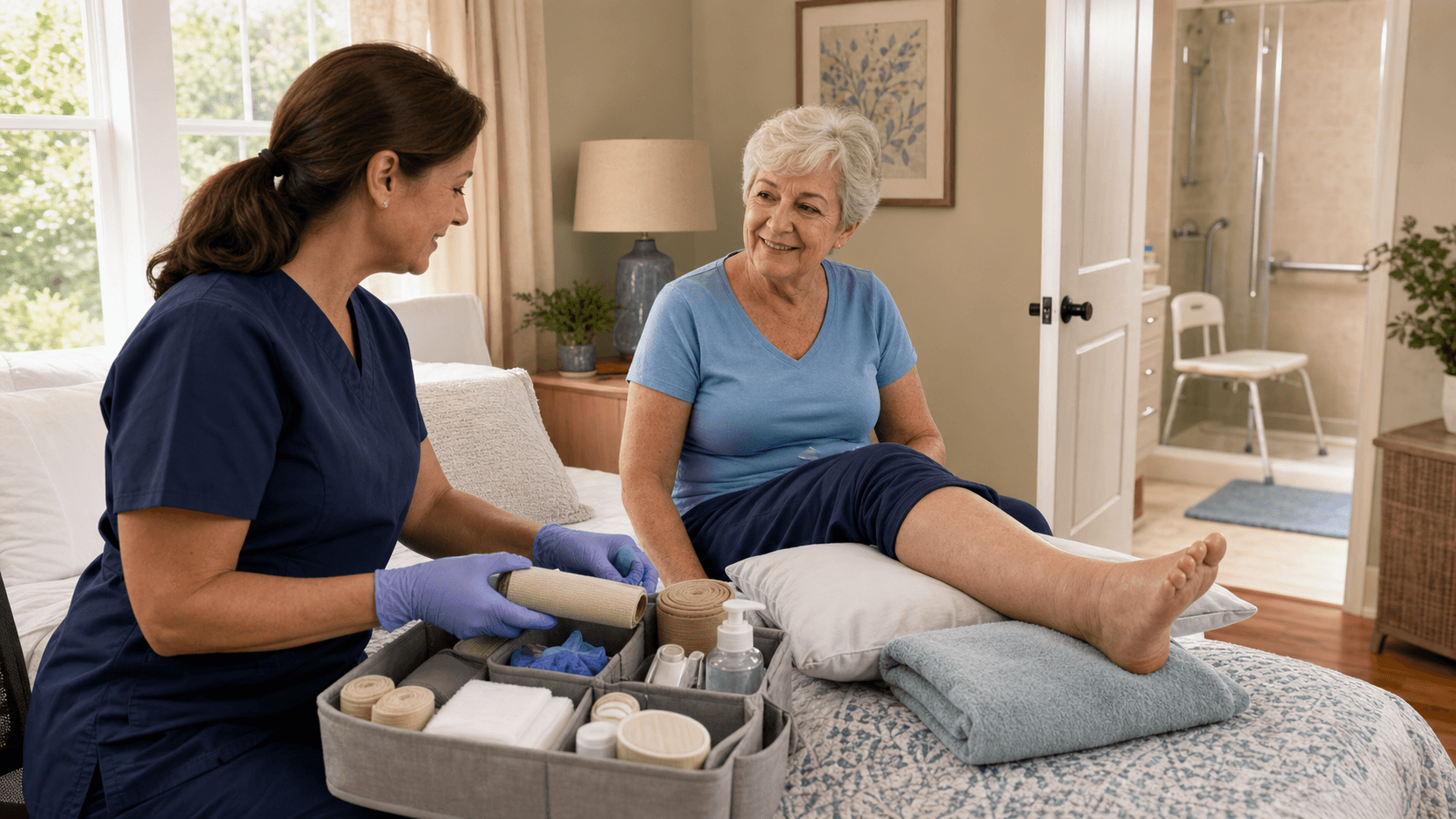
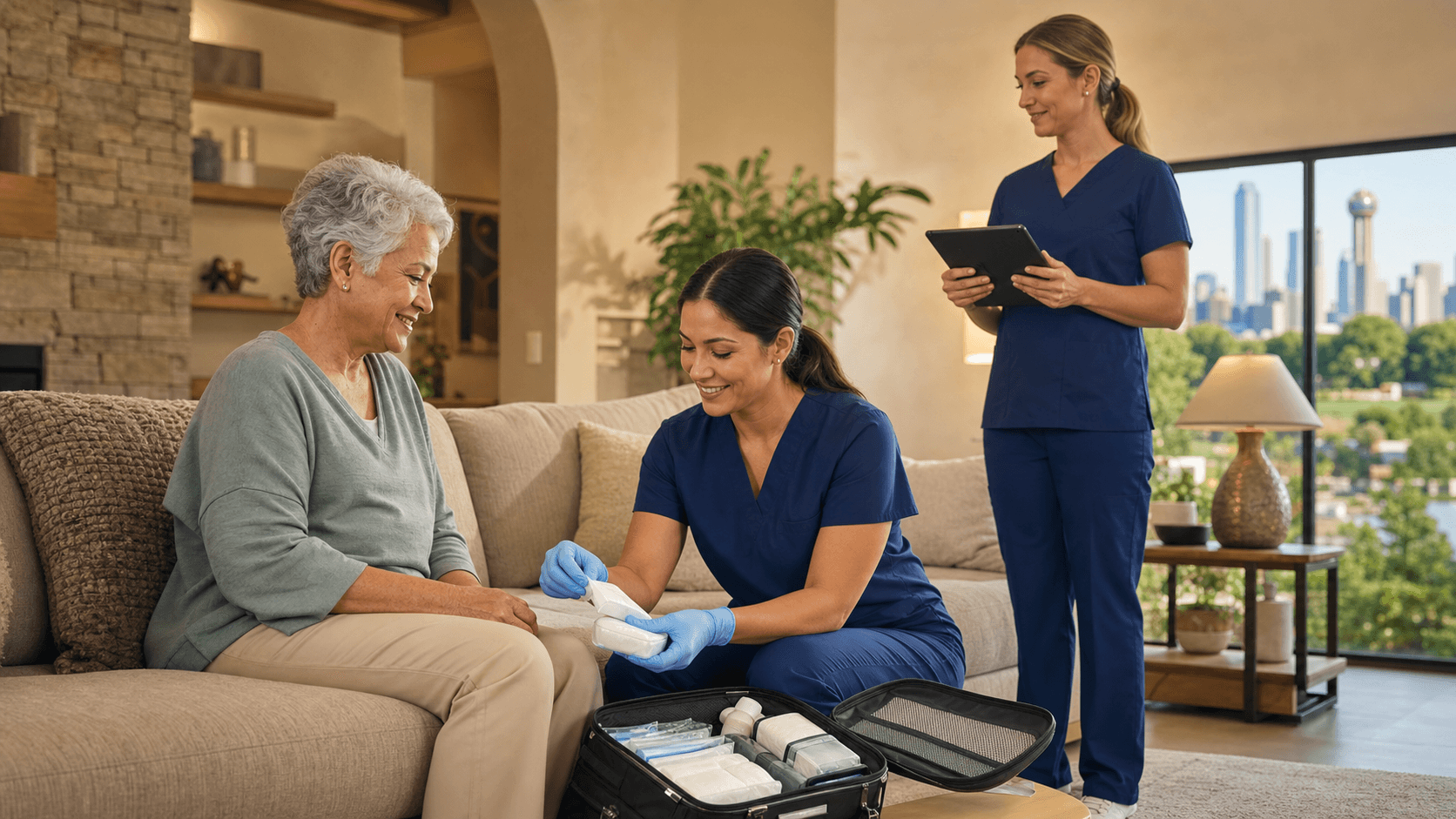
Mobile wound care means clinic-level treatment delivered at your bedside, in your home or facility, instead of you traveling across Dallas and Fort Worth for each visit. Our goal is to give you clear, step-by-step guidance so you know what insurance needs, how referrals work, how to schedule, and what paperwork helps you get same-week visits when it is safe.
At Anchor Wound Management, we work every day with Medicare Part B-covered wound care and other plans in the Dallas, Fort Worth area. Our process is organized with a style shaped by military service, and we match that with calm, bedside compassion. As Captain, U.S. Army (Ret.), Dr. Brandon Elrod brings that discipline to how we set up care so you can heal at home when possible.
Key Takeaways
- Mobile wound care in Dallas can often be Medicare Part B-covered when wounds are complex, need ongoing care, and visits are medically necessary.1
- You usually need a clear diagnosis, recent wound notes, and a referring provider, but the wound clinic can often help collect these.
- Same-week, at-your-bedside visits are more realistic when photos, records, and referrals are sent early.
- Good documentation and follow-up notes help keep at-home visits approved and can lower the need for ER trips and amputation.
- A board-certified wound specialist works with your current doctors so you can heal at home safely, not instead of them.
Who Qualifies and How Insurance Sees Mobile Wound Care
Many types of wounds may qualify for mobile wound care, such as:
- Diabetic foot ulcers
- Pressure injuries
- Venous leg ulcers
- Surgical wounds that are slow to heal
- Radiation injuries and complex traumatic wounds
If your wound has lasted more than 2 to 4 weeks, keeps reopening, is draining, or sends you back to urgent care, that often signals a need for ongoing at-your-bedside care.2, 4 In plain English, if it is not healing with basic treatment, you may be a candidate.
Function and safety matter too. Mobile care is often appropriate when:
- You have trouble walking or standing
- You use oxygen, a wheelchair, or are at high fall risk
- You lack steady transportation or rely on others for rides
- Your home can support a clean space and, when possible, a helper nearby
The outcome we want is safer care at home, less infection risk, and fewer hospital stays. Medicare Part B-covered services generally include medically necessary wound care by qualified clinicians, as described on Medicare.gov.1 Private insurance and Medicare Advantage plans often follow similar ideas but may require prior authorization or limit you to certain networks.
A helpful step is to call your plan, say you are asking about "home or mobile wound care," and ask what documents they require. Then share that list with the wound clinic so they can help.
Insurance Rules, Referrals, and Records You Will Need
Medicare Part B looks at three big questions for mobile wound care in Dallas:1
- Is the service medically necessary?
- How often are visits needed?
- Is home or clinic the right setting?
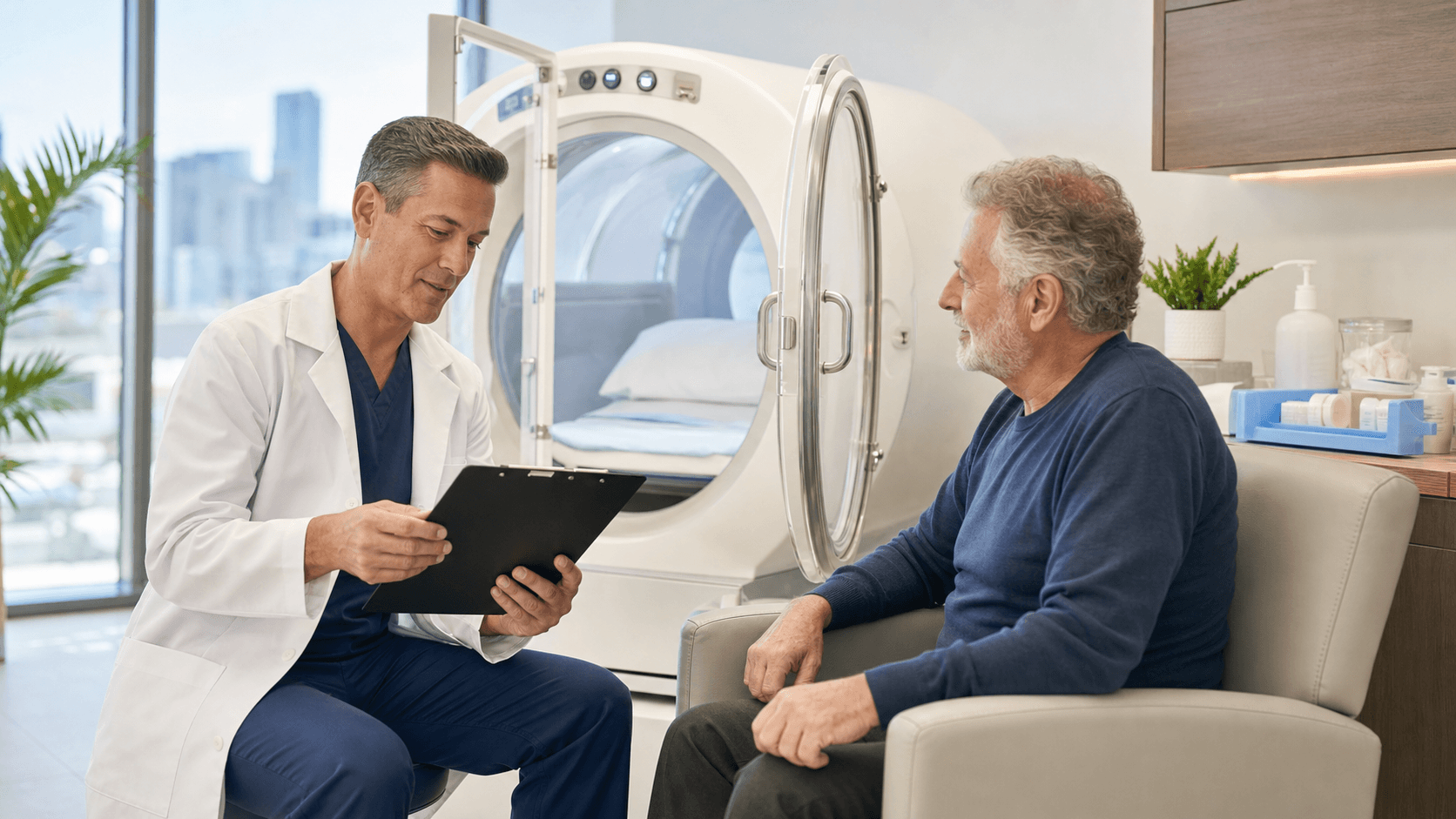
Some parts of your care, like nurse support, dressing supplies, or hyperbaric oxygen therapy, may be billed differently or under other benefits.1 In simple terms, Medicare tends to cover the actual wound care when it is needed to help the wound heal and to keep you out of the hospital.
Private insurers and Medicare Advantage plans watch for:
- Prior authorization when required
- Use of in-network providers
- Proof that basic care was tried
- Clear treatment goals and progress reports
Keeping a short log of pain, drainage, and changes in the wound between visits can help your board-certified wound specialist show that care should continue. Medicare.gov explains general copay and coinsurance rules.1 Some plans may not cover every facility or travel fee, so before your first visit, it is smart to ask:
- What is my expected copay per visit?
- Are there any non-covered fees?
- Will you verify my benefits before we set a time?
Most insurers prefer a referral or order from a doctor, nurse practitioner, or physician assistant who already knows your history. That order should name the wound diagnosis, location, and why at-home, at-your-bedside care is needed instead of only clinic visits. Many wound clinics can help request these orders from hospital or primary care teams.
Helpful records include:
- Recent clinic or hospital notes and discharge papers
- Imaging or vascular studies
- Lab work related to infection or blood sugar control
- Older wound care plans and lists of dressings or creams already tried
Clear notes about treatments that did not work support requests for advanced options like grafts or hyperbaric oxygen therapy, which peer-reviewed research links to chronic wound care in selected cases.5, 7 Ask hospitals and rehab facilities for electronic copies of your records before you leave, and keep all papers in one folder.
Insurers and clinicians also rely on photos and measurements. They track:
- Length, width, and depth
- Tissue type and drainage
- Staging for pressure injuries
National groups that study pressure injuries and infection control, such as the National Pressure Injury Advisory Panel and the CDC, support this type of tracking.8,9 Good baseline photos, shared through secure systems and not casual texting, can help speed up same-week review when paired with a solid referral.
Scheduling Same Week Visits and Keeping Them Approved
Here is how scheduling usually works for mobile wound care in Dallas:
- First call, where your information is collected
- Insurance benefit check
- Record and photo collection
- Triage by a board-certified wound specialist
- Decision about clinic-based or mobile at-your-bedside care
Urgent signs like fast-spreading redness, heavy drainage, or severe pain may lead to faster, same-week home visits if it is safe to treat you there. True emergencies, such as signs of sepsis listed by the CDC (fever, confusion, trouble breathing, very low blood pressure), need ER care first, then mobile wound care can help with follow-up once you are stable.9
Because the Dallas, Fort Worth area covers a large area, route planning affects time windows for mobile wound care. Sharing your full address, parking or gate details, and any building codes helps.
It also helps to:
- Share your weekly schedule, like dialysis or cardiac rehab days
- Pick one or two time blocks that usually work
- Have a backup caregiver time if the primary helper is at work
Before your first visit, try to have:
- Insurance card and ID
- Medication list and blood sugar logs if you have diabetes
- A list of your doctors and recent hospital stays
- Any wound supplies already at home
Clear a small, clean table, make sure there is enough light, and have a safe place to sit or lie with your legs supported if needed. The first visit is often a thorough assessment with measurements, photos, and a treatment roadmap, not just a quick bandage change, so plan enough time.
To keep at-home care covered, your wound team documents each visit in detail: wound size and depth, tissue type, infection signs, pain levels, and how the wound responds to dressings or advanced therapies. Insurers look for steady progress or, if healing is slow, clear changes in the plan.
Try to be specific about pain, drainage, odor, and how the wound affects sleep or walking so the record shows the true impact on your life. That detail helps your clinicians adjust your plan so you can heal at home more safely.
Advanced care like grafts and hyperbaric oxygen therapy often needs extra paperwork and proof that basic care has already been tried.5, 7 Research in diabetic foot ulcers, published in peer-reviewed journals, notes that these treatments are usually reserved for selected patients with documented blood flow, infection control, and glucose management.
Wound clinics can help arrange needed tests and records to support these requests when they are appropriate. This approach is designed to speed healing, reduce ER visits, and lower the chance of amputation.
We also send wound notes to primary care, endocrinology, vascular surgery, podiatry, and others as needed so everyone understands the plan. That type of coordination can help avoid duplicated tests, medicine conflicts, and missed warning signs that could lead to hospitalization.
As Dr. Brandon Elrod, DO, FAPWCA, explains, "My goal is to use clear protocols and careful follow-up so you can safely heal at home whenever it is medically appropriate."
Clinic Visits vs. Mobile Wound Care at Your Bedside
Many patients use a mix of clinic and mobile care in Dallas. Here is a simple comparison:
Clinic-based wound care
Mobile wound care at your bedside
You travel to the office
Care comes to your bedside at home or in a facility near you
Higher exposure to other patients
Lower exposure to other sick patients
Caregiver may need to take time off to drive
Less strain on caregivers and transport
Access to more in-clinic tools and some procedures
Allows frequent checks without repeated trips
Works well if you walk safely and handle car trips
Ideal if you have limited mobility, high fall risk, or recent hospitalization
Some procedures, such as certain imaging or deeper debridements, still must be done in a clinic or hospital. The goal is not convenience alone, but faster healing, fewer ER visits, and avoiding amputation whenever possible.
When one practice oversees both clinic and mobile wound care, the same board-certified wound specialist can guide your plan in each setting so documentation and insurance approvals stay consistent. A helpful question to ask is, "When would you recommend clinic visits, and when is it safe for me to heal at home?"
Frequently Asked Questions About Mobile Wound Care in Dallas
Q: Does Medicare Part B cover mobile wound care at home?
A: Medicare Part B generally covers medically necessary wound care delivered by qualified clinicians when it meets their criteria, which are outlined on Medicare.gov.1 Exact coverage can vary by service type, so it is important to confirm details with Medicare and the wound clinic.
Q: Can I get same-week mobile wound care visits?
A: Same-week visits are sometimes possible when the wound needs prompt attention and insurance rules are met. Fast sharing of records, referrals, and wound photos makes it more realistic to approve and schedule an at-your-bedside visit quickly.
Q: Do I still need my primary care doctor if I use mobile wound care?
A: Yes, mobile wound care works with your primary and specialist doctors, not instead of them. Good healing often depends on managing diabetes, circulation, infection, and medications, which takes a full team.
Q: What if my insurance denies at-home wound care?
A: Ask for the denial reason in writing, then review what documentation was missing or unclear. Your wound team can often update notes, add measurements or photos, and request reconsideration or help with an appeal when it is appropriate.
Q: Is mobile wound care safe for complex wounds and grafts?
A: Many complex wounds, advanced dressings, and graft follow-ups can be managed at your bedside once certain safety criteria are met.5, 7 Some treatments still need a clinic or hospital for equipment or monitoring, so your wound specialist will explain where each step should happen.
Q: How is my privacy protected during at-home visits and photos?
A: Wound clinics use HIPAA-compliant systems so that only the care team can view your photos and notes. You can always ask how your information is stored and shared and avoid sending wound pictures through regular texting or unsecured channels.
Cited Sources
- Medicare.gov. Medicare Part B (Medical Insurance), What Part B covers. https://www.medicare.gov
- Armstrong DG, Boulton AJM, Bus SA. Diabetic Foot Ulcers and Their Recurrence. N Engl J Med. 2017;376:2367, 2375.
- National Pressure Injury Advisory Panel (NPIAP). Clinical guidelines. https://npiap.com
- O'Meara S, et al. Systematic review of chronic wound healing times. Br J Surg. 2015.
- Lipsky BA, et al. 2019 IWGDF Guidelines on the diagnosis and treatment of foot infection in persons with diabetes. Diabetes Metab Res Rev. 2020.
- Kranke P, et al. Hyperbaric oxygen therapy for chronic wounds. Cochrane Database Syst Rev. 2015.
- Frykberg RG, et al. Grafts and advanced therapies for diabetic foot ulcers. Adv Wound Care. 2013.
- National Pressure Injury Advisory Panel. Pressure injury staging and measurement resources. https://npiap.com
- Centers for Disease Control and Prevention (CDC). Sepsis: Symptoms, Diagnosis, and Treatment. https://www.cdc.gov
Call to Action
If you have a wound that is not healing and want to know whether Medicare Part B-covered mobile wound care could help you heal at home, call a local wound clinic and ask to speak with a board-certified wound specialist about a same-week, at-your-bedside evaluation when medically appropriate.
Get Personalized Mobile Wound Care Support Today
If you or a loved one needs expert care at home, we are ready to bring advanced treatment directly to your bedside with our mobile wound care in Dallas. At Anchor Wound Management, we tailor every visit to your specific needs so you can focus on healing with less disruption to your daily life. Reach out to contact us today and we will help you schedule a convenient, in-home appointment.