When a Skin Graft Fails, What Happens Next?
"My skin graft did not take. What can I do now to save my leg and stay out of the hospital?"
That is the real question many people in the Dallas area ask after surgery. A "failed" or "compromised" skin graft can mean the graft only partly took, the edges are not healing, there is infection, or deeper tissue like tendon or bone is exposed. It is normal to worry about amputation, another trip to the OR, and more time away from home.
In the first days to weeks after a graft failure, timing matters. Clinical studies in limb salvage show that early attention lowers the risk of deep infection and amputation when compared with delayed care, especially in people with diabetes or poor circulation. In plain English, waiting to "see what happens" can let a small problem turn into a serious limb threat, so seeing a board-certified wound specialist in the same week helps reassess blood flow, infection, and options like hyperbaric medicine in Dallas, TX.
Key Takeaways
- Failed grafts are urgent but often salvageable when treated quickly.
- Hyperbaric oxygen therapy (HBOT) can support some grafts and flaps so they survive and heal.
- Mobile wound care and heal-at-home options can help many patients avoid hospital admission.
- Medicare Part B covered services may apply when HBOT meets medical necessity rules, as outlined on Medicare.gov.
- A clear plan with a board-certified wound specialist can lower amputation risk and support faster healing.
In the Dallas, Fort Worth area, many people start searching for "hyperbaric medicine" when a graft looks dusky or starts to break down. Clinic-based HBOT, along with at your bedside mobile wound care, tissue allografts, and bedside procedures, can work together as part of one plan. Below, we walk through how HBOT works, when it helps, and its limits so you can ask sharper questions at your next visit.
Why Do Skin Grafts Fail, and What Does It Mean for You?
A "failed" skin graft does not always mean total loss. Clinically, we look at partial versus complete graft loss, changes in color, foul odor, new drainage, spreading redness, and either severe pain or, in people with neuropathy, surprisingly little pain. In plain terms, a graft is like a patch of sod on a lawn that needs to "root" into your tissue; if blood flow, oxygen, or infection interfere, parts of that patch can die.
If you see the graft turning dark, pale, purple, lifting at the edges, or you notice new drainage or odor, do not wait for your routine follow-up. Call your surgeon or a wound provider in the same week.
Common reasons grafts do not take include:
- Poor circulation from peripheral arterial disease, diabetes-related vessel damage, smoking, or past radiation. CDC and NIH data describe how these conditions limit blood flow and wound healing.
- Infection and biofilm, a sticky layer of bacteria that blocks oxygen and nutrients.
- Pressure and movement, such as walking too soon, tight shoes, or shear over bone or tendon.
Ask your provider about tests for blood flow like ankle-brachial index or duplex studies, infection checks including cultures when needed, and offloading tools to protect the area.
When a failed graft leaves exposed tendon or bone, or when a diabetic foot ulcer stays open, the risk rises for bone infection called osteomyelitis and, in some cases, amputation. Peer-reviewed limb salvage studies have shown that chronic deep wounds with bone exposure have a higher amputation rate than shallow wounds (for example, Lavery et al., Diabetes Care, 2006; Lipsky et al., Clin Infect Dis, 2012). In plain English, when the body cannot close the wound, germs can creep down into bone and joints, and that is the time to talk about HBOT, tissue allografts, negative pressure wound therapy, and strong infection control with a board-certified wound specialist.
How Does Hyperbaric Medicine in Dallas, TX Help After a Failed Graft?
In HBOT, you breathe 100 percent oxygen at higher than normal pressure. Research from the Undersea and Hyperbaric Medical Society (UHMS) and NIH shows that this raises oxygen levels in tissue, supports new blood vessel growth, and helps white blood cells fight infection (UHMS Hyperbaric Oxygen Therapy Indications Manual; Thom, N Engl J Med, 2011). In simple terms, HBOT floods damaged tissue with extra oxygen so grafts, flaps, and deep wounds get more of what they need to heal.
If your graft is failing or high risk, a good question to ask is, "Is my wound a candidate for HBOT under current medical guidelines, and how soon should we start?" Documented indications include compromised skin grafts and flaps, diabetic foot ulcers, some radiation injuries, and certain nonhealing surgical wounds. HBOT often works best when started early in a compromised graft or flap while other wound care continues, so prompt coordination in the Dallas, Fort Worth area helps reduce lost time.
HBOT has clear limits. It can improve oxygenation and help "on the fence" tissue survive, but it cannot bring dead tissue back to life or open blocked arteries by itself. So the realistic role of HBOT is as one part of a limb salvage plan that can also include surgical debridement, revascularization, careful offloading, antibiotics, and sometimes new grafts or tissue allografts.
For coverage, Medicare.gov explains that Medicare Part B covered HBOT must meet strict criteria for diagnosis, documentation, and treatment planning (see Medicare National Coverage Determination 20.29 on Hyperbaric Oxygen Therapy). Treatment is usually done in an accredited center with physician oversight and a set number of sessions that may be adjusted based on response. Before you begin, ask the clinic which indications are covered and what your likely out-of-pocket share will be.
How Do HBOT, Other Options, and Mobile Wound Care Compare?
After a failed skin graft, HBOT is one tool on the table. Other options include repeat surgical grafts, tissue allografts, and standard wound care alone, and many patients do best with a mix rather than a single approach.
Here is a simple comparison:
Option
Goal
Where it is done
Typical start time
Anesthesia
Role in care
Medicare Part B covered?
Hospital stay needed?
HBOT
Support tissue survival, fight infection
Outpatient hyperbaric center
Often same week once cleared
No
Part of limb salvage in high-risk wounds
Yes, for certain diagnoses under Medicare criteria
Usually not required
Repeat surgical graft
Close the wound with new skin
Operating room
Depends on surgical schedule and wound status
Yes
May be needed if tissue bed is ready
Covered under surgical benefits
Sometimes needed
Tissue allografts
Provide a biologic scaffold to jump-start healing
Clinic or at your bedside with mobile wound care
Often soon after cleanup and infection control
Often not needed
Helps chronic or high-risk wounds, especially with diabetes or poor circulation
Varies with product and plan
Usually not required
Standard wound care alone
Gradual healing with dressings and pressure relief
Clinic or at your bedside
Ongoing
No
Base of all care, but may not be enough after graft failure
Often Medicare Part B covered when medically necessary
Not usually required
Not everyone needs another surgery. Some people need new blood flow procedures or OR debridement, while others can heal at home with advanced bedside wound care, tissue substitutes, and clinic-based HBOT. A smart question is, "Can we safely manage this with mobile wound care plus regular clinic visits, or do I need hospital-based surgery?"
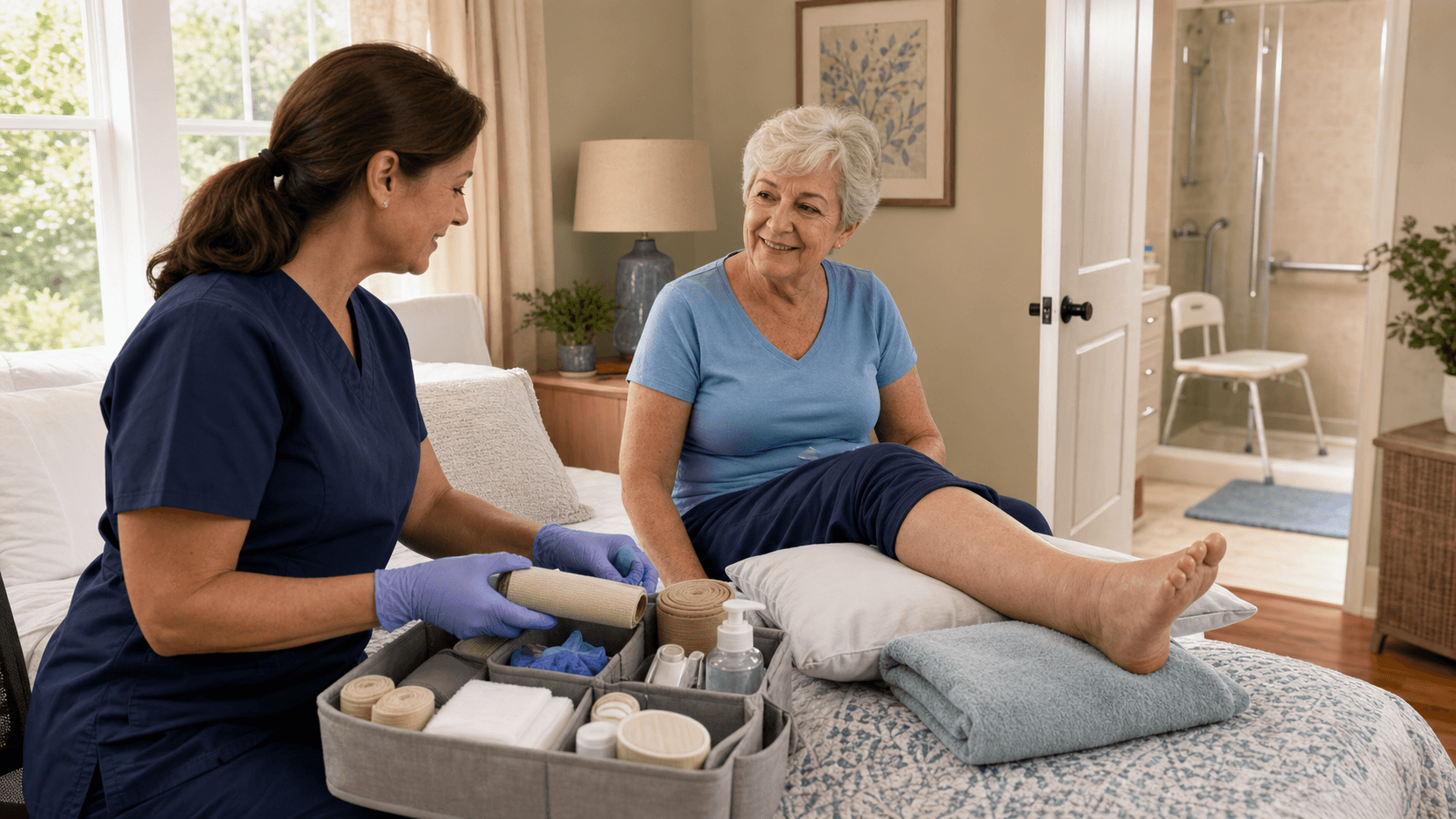
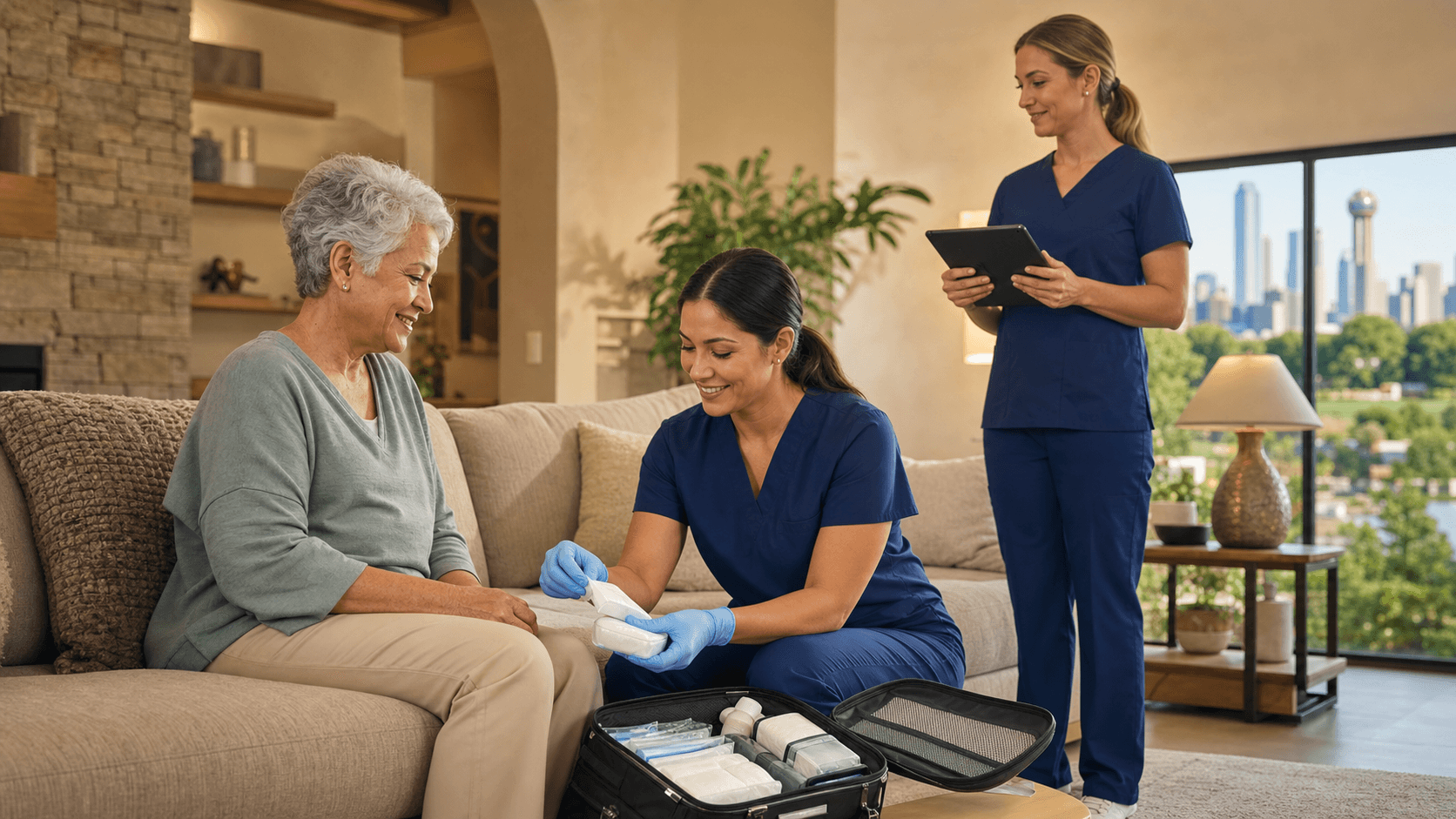
Mobile wound care in Dallas, Fort Worth can bring debridement, dressing changes, offloading tips, and infection checks to your bedside. That is especially helpful when driving to multiple visits is hard. When mobile wound care works closely with a hyperbaric center, your team can adjust dressings and add tissue allografts based on how the wound looks between HBOT sessions; these biologic products act like a temporary "living bandage," giving a scaffold and growth signals when your own skin struggled to take, so ask if they are right for your wound and if they can be applied at your bedside.
What Should You Expect From HBOT in Dallas After a Failed Graft?
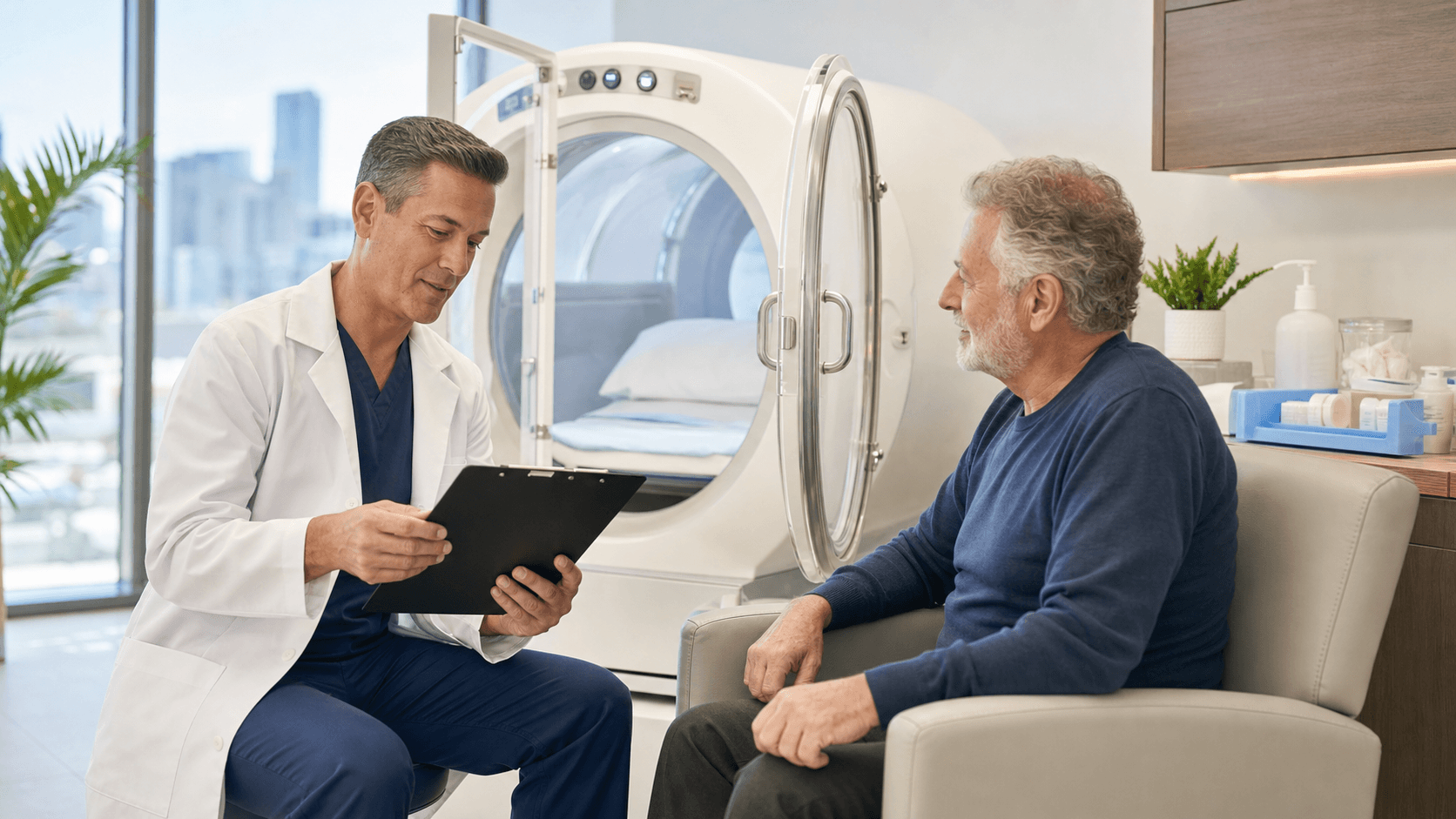
Before HBOT, you will have a full evaluation. That can include a wound exam, photos, measurements, blood sugar review, infection workup, and sometimes imaging or vascular studies. Your team will also screen for issues like untreated lung collapse, certain ear problems, or other reasons HBOT might not be safe.
Bring a list of your medicines, recent imaging, and your wound history to that first visit so the plan can start quickly, often in the same week for urgent graft problems. A typical HBOT session lasts around a couple of hours, several days per week, over a set number of treatments. Staff check your ears, blood pressure, and overall comfort before and after, and many patients rest, watch TV, or listen to music in the chamber while the team monitors from outside and stays in communication.
HBOT is generally safe, but like any treatment, it has risks. Medical literature notes possible ear or sinus pressure, temporary vision shifts, or in rare cases oxygen-related seizures (UHMS; Weaver, N Engl J Med, 1999). In everyday terms, most people do well, but it is important to know the risks and how your team will prevent them, so tell your provider if you have sinus trouble, lung disease, or anxiety in closed spaces and ask how they make treatment more comfortable.
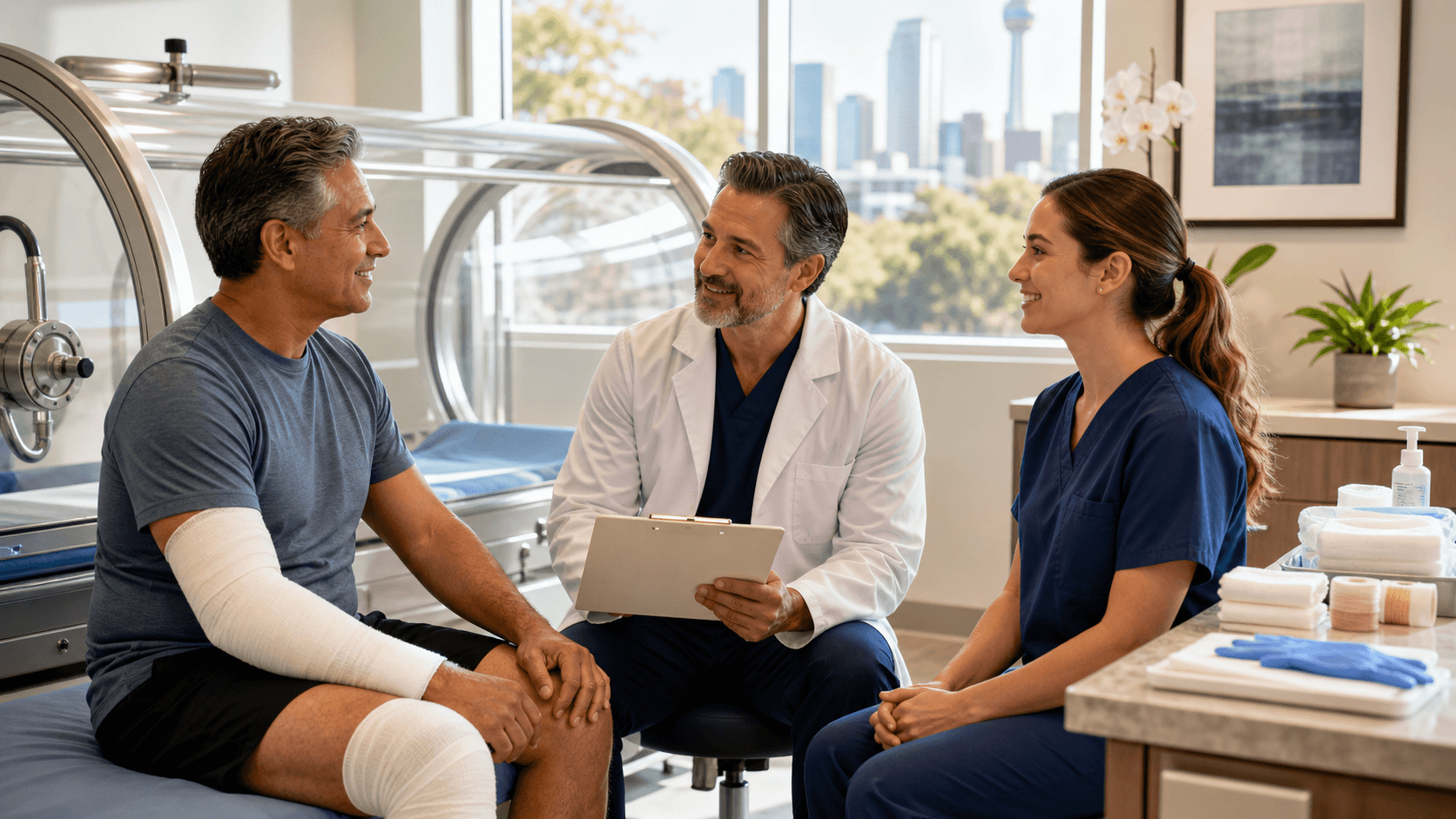
Ongoing, you want a board-certified wound specialist guiding your case. Weekly measurements, photos, and lab results help show if HBOT and other treatments are working. As Dr. Brandon Elrod, DO, FAPWCA, often says, "Limb salvage takes discipline and clear communication. My Army service taught me to approach complex wounds with military precision and to remember there is a person, not just a problem, in front of me."
Good coordination keeps you in your own bed when it is safe. At your bedside mobile wound care, primary care, endocrinology, podiatry, vascular surgery, and hyperbaric medicine in Dallas, TX can share notes and plans with the simple goal to heal faster, avoid unnecessary hospital stays, and lower amputation risk while you heal at home.
FAQ: Hyperbaric Medicine and Failed Skin Grafts
Q: Can hyperbaric oxygen therapy save a failing skin graft?
A: HBOT can help support compromised grafts and flaps by raising oxygen levels and helping new blood vessels grow, especially when started early and combined with good surgery and infection control. It cannot bring back tissue that is already dead, but it can give borderline areas a better chance to survive.
Q: Is HBOT for graft problems covered by Medicare Part B?
A: Medicare Part B covered HBOT applies to specific conditions, which can include compromised skin grafts and flaps when strict criteria are met, as described on Medicare.gov (NCD 20.29). Coverage depends on your diagnosis, documentation, and getting treatment in an appropriate setting with physician oversight.
Q: How soon after graft surgery or failure should I consider HBOT?
A: Current guidelines and expert opinion favor early HBOT in compromised grafts and flaps instead of waiting weeks (UHMS indications manual). If you see color changes, drainage, or other warning signs, talk with your surgeon or a wound doctor about HBOT right away rather than waiting for your next scheduled visit.
Q: Can I get wound care at home if I am doing HBOT in a clinic?
A: Yes, many patients combine clinic-based HBOT with mobile wound care at your bedside. The clinic team handles chamber treatments, while mobile wound care manages dressings, offloading, and monitoring between sessions so you can heal at home whenever it is safe.
Q: What if I am afraid of being in the chamber or have trouble getting to the clinic?
A: Tell the HBOT team about any fear of tight spaces or travel limits so they can explain safety steps, stay in close contact during treatment, and help plan schedules and transport options. If HBOT is not possible, they can still focus on strong wound care, tissue allografts, and other tools at your bedside.
Q: Does every failed skin graft need amputation?
A: No, many failed grafts can still heal with aggressive, coordinated care including blood flow workup, precise debridement, infection control, tissue allografts, and HBOT when appropriate. In some advanced cases, amputation is still the safest choice, but early action with a board-certified wound specialist keeps more options open.
What to Do Next
If your skin graft is failing or you see new drainage, color change, or exposed tendon or bone, do not wait. Call our team at [PHONE NUMBER] or book a same-week evaluation with a board-certified wound specialist online at [BOOKING LINK] so you can protect your limb and heal at home whenever it is safe.
Take Control Of Your Healing With Advanced Hyperbaric Care
If you are ready to explore how hyperbaric medicine in Dallas, TX can support your recovery, our team at Anchor Wound Management is here to guide you. We will review your history, answer your questions, and design a personalized treatment plan around your specific needs. To schedule a consultation or ask about next steps, please contact us today.